Designing a Neurodivergent-Friendly Kitchen: A Sensory and Executive Function Blueprint
Let’s be honest. The typical kitchen is a sensory and organizational minefield. Harsh lighting, clattering pans, overwhelming smells, and the constant, low-grade stress of finding things—it’s a lot for anyone. For neurodivergent individuals (like those with ADHD, Autism, Sensory Processing Disorder, or Dyspraxia), it can be downright prohibitive.
But what if your kitchen could actually work with your brain, not against it? Designing a neurodivergent-friendly kitchen isn’t about clinical perfection. It’s about creating a space that reduces friction, soothes the senses, and makes the executive functions of cooking—planning, sequencing, cleaning—just a bit more manageable. Here’s the deal: small, thoughtful changes can have an outsized impact.
The Core Philosophy: Calm, Clarity, and Control
Before we dive into paint swatches and pull-out shelves, let’s ground ourselves in the why. A neurodivergent-friendly kitchen centers on two key needs: sensory regulation and executive function support. Sensory design minimizes overwhelm. Executive function design creates external scaffolding for tasks that internal memory or motivation might struggle with.
Think of it like building a personalized toolkit. You’re not just choosing a faucet; you’re choosing a tool for task initiation. You’re not just picking a paint color; you’re selecting a mood regulator.
Taming the Sensory Landscape
For many, the kitchen is a symphony of competing stimuli. Here’s how to conduct that symphony into something more harmonious.
Sight: Light and Visual Noise
Overhead fluorescent lights? A hard no. They buzz, they flicker, and the glare is brutal. Opt for layered, warm lighting instead. Dimmable LED panels or under-cabinet tape lights provide even, shadow-free task lighting. A couple of lamps with warm bulbs can create a soft, ambient glow for low-demand times.
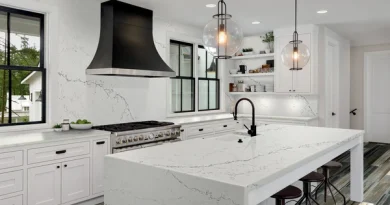
Visual clutter is a huge source of cognitive load. Open shelving might be trendy, but for many, it’s just visual static. Solid cabinet fronts in muted, matte finishes (think sage green, soft blue, warm grey) are calming. If you need visual cues, consider glass-front cabinets on just one section. And for goodness sake, get the countertop clear. It’s a work surface, not a storage unit.
Sound: Dampening the Din
The acoustic profile of a kitchen is often an afterthought—until you’re wincing at every plate clank. Soften the soundscape. Add felt pads to cabinet doors. Choose a quiet dishwasher model (look for decibel ratings). A plush rug or anti-fatigue mat can absorb sound. For some, having noise-cancelling headphones or ear defenders hanging on a hook is a simple, vital tool for managing noisy appliances.
Touch, Smell, and Taste
Textures matter. Smooth, easy-to-clean quartz counters. Cabinet pulls that feel good in your hand—no sharp edges. A dedicated sensory drawer with favorite fidget toys or textured cloths can be a quick reset button.
Smells can be overpowering. A powerful, quiet range hood that actually vents outside is non-negotiable. Keep baking soda in the fridge. And consider a designated spot for strong-smelling cleaners, away from food prep areas.
Scaffolding for Executive Function
This is where we build the external brain. The goal is to make processes visible, logical, and broken into manageable chunks.
The “First-Things-First” Zone
Create a landing strip near the entrance you use most. A small tray for keys, a hook for a bag, a bowl for pocket items. This reduces the “doorway effect” where you walk in and immediately forget why you came. It transitions you into the space.
Visibility is Everything: Open Storage & Labels
Out of sight is out of mind—permanently. Use clear bins in the pantry or fridge. Install pull-out drawers in deep cabinets so nothing gets lost in the abyss. And label, label, label. A simple label maker can be revolutionary. It answers the “where does it go?” question for everyone, reducing mental labor and cleanup friction.
| Problem | Neurodivergent-Friendly Solution |
| Forgotten perishables in the back of the fridge | Clear, labeled bins for categories (dairy, leftovers, snacks). Lazy Susans. |
| Overwhelm starting a recipe | A dedicated “recipe station”: tablet stand, all measuring tools in one drawer right there. |
| Dirty dishes piling up | Dish rack right next to sink, or a “dirty” bin under sink. Reduce steps. |
| Can’t find the right tool | Wall-mounted magnetic strip for most-used knives & tools. No digging. |
Sequencing Made Simple
Arrange your kitchen in a logical workflow: Store dishes near the dishwasher (unloading). Keep pots near the stove, cutting boards and knives near the prep area. This creates a natural “assembly line” that supports sequential thinking.
For cleaning, a visual checklist taped inside a cabinet door can bypass mental block. Not a vague “clean kitchen,” but: 1. Dishes to sink. 2. Wipe counters. 3. Sweep floor. It externalizes the working memory load.
Key Areas for Investment (Big & Small)
You don’t need a full remodel. Start with high-impact zones.
- The Sink Area: A hands-free or lever-style faucet reduces steps. Keep soap and a sponge right there. Consider a sink with a shallow, fast-draining side for quick tasks.
- The Pantry/Fridge: This is command central for executive function. Uniform containers, obvious labels, and grouping by meal type (breakfast bins, lunch supplies) can cut decision fatigue in half.
- Counters & Flooring: Minimize seams and grout lines—they trap crumbs and create visual chaos. A continuous countertop and large-format tile or sheet vinyl are easier to clean and process visually.
It’s a Personal Experiment
Honestly, there’s no one-size-fits-all. A stimmy, colorful kitchen might be joyful for one person and overwhelming for another. The key is to observe your own pain points. What task do you always avoid? Where do you get stuck? Start there.
Maybe you need a “doom basket” for quick cleanup of clutter. Or maybe a high-quality air purifier for smell sensitivity is your game-changer. It’s okay to iterate. The most neurodivergent-friendly kitchen is one that adapts to you, not the other way around.
In the end, designing for neurodivergence is simply designing with deeper empathy for human cognition and sensation. It creates a space that doesn’t demand extra spoons just to exist in. It whispers, “I’ve got you,” so you can focus on the simple, nourishing act of making a meal—or just finding the peace to pour a bowl of cereal without a side of stress.